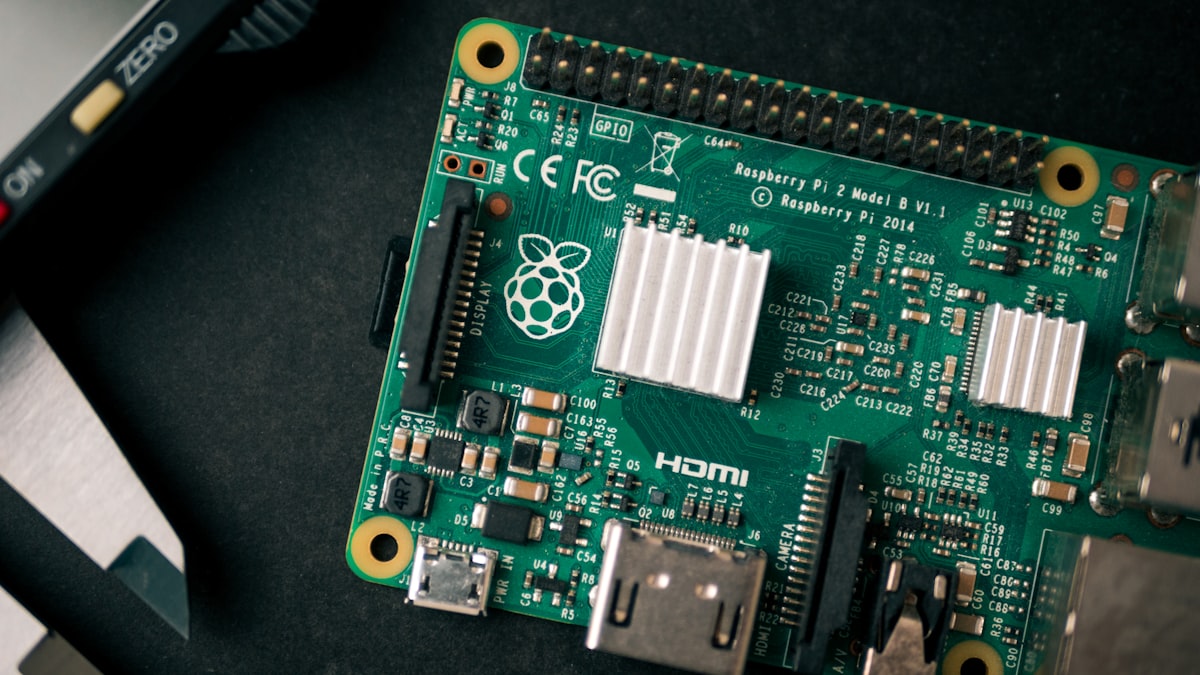
If you’re serious about smart home automation, the hub you choose determines everything — what devices you can use, how reliable your automations are, and whether you’re locked into one company’s ecosystem or free to mix and match. I’ve been running a smart home for years, and I’ve tried most of the major platforms. Here’s where things stand in 2026.
The Winner: Home Assistant
There’s no way around it — Home Assistant is the most capable smart home platform available today. It’s not even close.
Home Assistant supports over 2,000 integrations. Zigbee, Z-Wave, Matter, Thread, Wi-Fi — it talks to everything. Your Lutron Caseta switches, your Zigbee motion sensors, your Sonos speakers, your security cameras — they all live under one roof. And because everything runs locally on your hardware, your automations don’t die when your internet goes out.
The Home Assistant Green ($100) is the easiest way to get started — plug it in, run through setup, and you’re live in minutes. If you want built-in Zigbee and Z-Wave radios, the Home Assistant Yellow ($150 with kit) is worth the premium.
Why I Recommend It
- Local processing — automations run on your network, not in the cloud
- Protocol agnostic — Zigbee, Z-Wave, Matter, Thread, Wi-Fi, Bluetooth, you name it
- Insane automation power — conditional logic, templates, Node-RED integration, scripts
- Active community — monthly releases, thousands of custom integrations via HACS
- No subscription fees — ever (Home Assistant Cloud/Nabu Casa is optional at $6.50/mo for remote access)
The Catch
Home Assistant has a learning curve. The UI has improved dramatically — the 2025/2026 dashboard redesign is genuinely good — but you’ll still spend time configuring things. If you enjoy tinkering, that’s a feature. If you want to set it and forget it, read on.
Best for: Power users, tinkerers, anyone who wants full control over their smart home.
Runner-Up: Samsung SmartThings
SmartThings (~$60 for the Station) remains the best plug-and-play hub for people who want a smart home without a hobby.
The SmartThings app is polished, setup is guided, and it supports Zigbee, Z-Wave, Matter, and Thread natively. Samsung’s integration with their appliances and TVs is a nice bonus if you’re in that ecosystem.
Pros
- Dead-simple setup
- Solid Zigbee/Z-Wave/Matter support
- Good SmartThings Routines for basic automations
- Affordable hardware
Cons
- Cloud-dependent — most automations require internet
- Limited automation complexity compared to Home Assistant
- Samsung has a track record of deprecating platforms (remember the v1 and v2 hub transitions?)
- Less device support overall
Best for: People who want smart home basics without complexity.
Also Worth Considering
Hubitat Elevation (~$150)
Hubitat is the middle ground between Home Assistant and SmartThings. It runs locally, supports Zigbee and Z-Wave, and has a rules engine that’s more capable than SmartThings but less flexible than Home Assistant.
The interface feels dated, and the community is smaller. But if you want local processing without Home Assistant’s learning curve, Hubitat is a legitimate option.
Apple Home / HomePod
If you’re all-in on Apple and only care about HomeKit devices, Apple Home works fine. The HomePod Mini (~$99) doubles as a Thread border router. But the automation capabilities are extremely limited, device support is narrow, and you’re locked into Apple’s walled garden. I can’t recommend it as a primary hub unless you literally only want to control lights with Siri.
Amazon Echo / Alexa
Alexa is a voice assistant, not a real automation hub. Routines are basic, reliability is inconsistent, and Amazon keeps adding subscriptions. Use Alexa as a voice frontend for Home Assistant — not as your hub.
What About Matter?
Matter is real and shipping, but it hasn’t replaced Zigbee or Z-Wave yet. Most Matter devices are Wi-Fi-based, which means they still crowd your network. Thread-based Matter devices are better, but the selection is limited.
My recommendation: don’t buy a hub just because it supports Matter. Every hub on this list does. Focus on Zigbee and Z-Wave for reliability, and let Matter fill gaps over time.
The Bottom Line
Get Home Assistant if you want the best smart home platform available and don’t mind investing time to learn it. The Home Assistant Green makes it easier than ever to start.
Get SmartThings if you want something that works out of the box and you’re okay with cloud dependency.
Skip Alexa and Google Home as primary hubs — they’re voice assistants, not automation platforms.
Your hub is the foundation. Pick the right one, and everything else gets easier.